

Your EV ran out of charge. Now what?
Most electric vehicles have a shorter max range than standard gasoline cars. That might leave you wondering, “What happens if I run out of charge?”
Your car will let you know as you approach empty, setting off warning lights and other notifications to let you know you need to charge. In the case of Teslas, it will even start recommending chargers along your route.

After you hit empty, your car still has anywhere from 10-20 miles left. This is backup power to make sure you can get to a charger. Once even that runs out, your car will slow down dramatically, crawling at a low speed to save power. The longer you run it at this point, the more likely you are to damage your battery and reduce your maximum range in the future.
Unless you can visibly see a charger or are in an unsafe traffic situation, it’s best to stop your car now and get help. Make sure to fully turn off your car. If you’re considering having someone push your car, only do this for short distances as it could damage your car through the regenerative braking system.
Calling Roadside Assistance
Many manufacturers offer roadside assistance after purchasing an EV, some of which even offer it for free. You may want to check for this option first before reaching out to another company like AAA. Some vehicles even come with a “roadside assistance button” on the console. If you intend to use this option, make sure you leave a little charge in your car when you stop, otherwise it might not work!
When on the phone with roadside assistance, make sure to tell them you have a dead EV battery. They may offer to bring a generator to charge your vehicle on the side of the road instead of towing you to a charging station as a way to get you back on the road faster. Keep in mind that most places will charge you for this service, so don’t expect it to be cheaper than a tow.

If they don’t have a roadside generator or you would prefer a tow, make sure you get a flatbed tow. Just like how you shouldn’t push an electric car very far, the same thing applies to a tow dolly or lift tow as the regenerative braking could damage the system.
If you get towed to a charger, make sure your car is successfully charging before they leave.
The 12 Volt Battery
You might not realize it, but your EV has two (or maybe three) batteries. It’s got the big battery that powers the motors, and then like a gas-powered car, it has a 12 volt battery, or sometimes two on larger cars like older Rivians.
The 12v battery in an EV can be hard to find, but you can’t charge your car without it. It’s in charge of managing all of the computer systems, AC, and other electronics in your car, including the electronics that allow you to charge the primary battery.
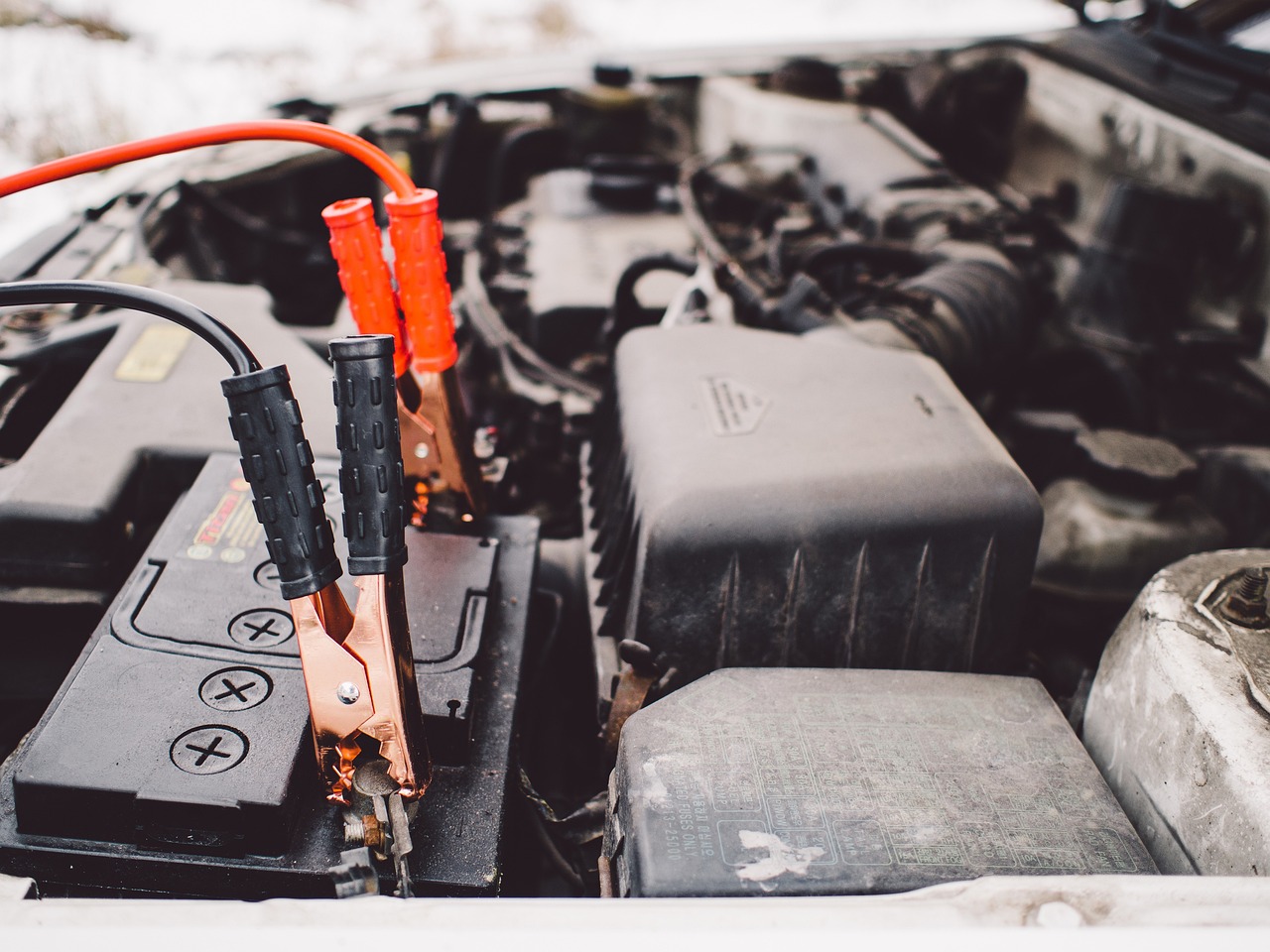
If the 12 volt battery is dead, it will need jumped, replaced, or otherwise charged to begin charging your car. This is why it’s important to turn off your car entirely when you stop your EV to look for assistance. As the car battery gets lower in charge, so does the 12v. You might not have much charge left in it by the time you stop your car.
Roadside assistance will be able to help you with a dead 12v if needed, but it’s best to keep it alive if you can. The 12v in an EV is often inconveniently located, so it will save you the time and effort.
Back on the Road
At this point your car should be happily charging so you can get back on the road. The best solution to a low EV battery is stopping at a charger before your car gets too low on range. The remaining range on EVs can be misleading, so it’s always best to be conservative and keep that in mind when planning a trip.

2 comment(s) so far on Your EV ran out of charge. Now what?
The only real answer is to never by an electric car! It just makes zero sense, stick with the less expensive, more reliable gas car!
Helpful information. All dealerships should be so client friendly.